
What Timber Joinery Covers
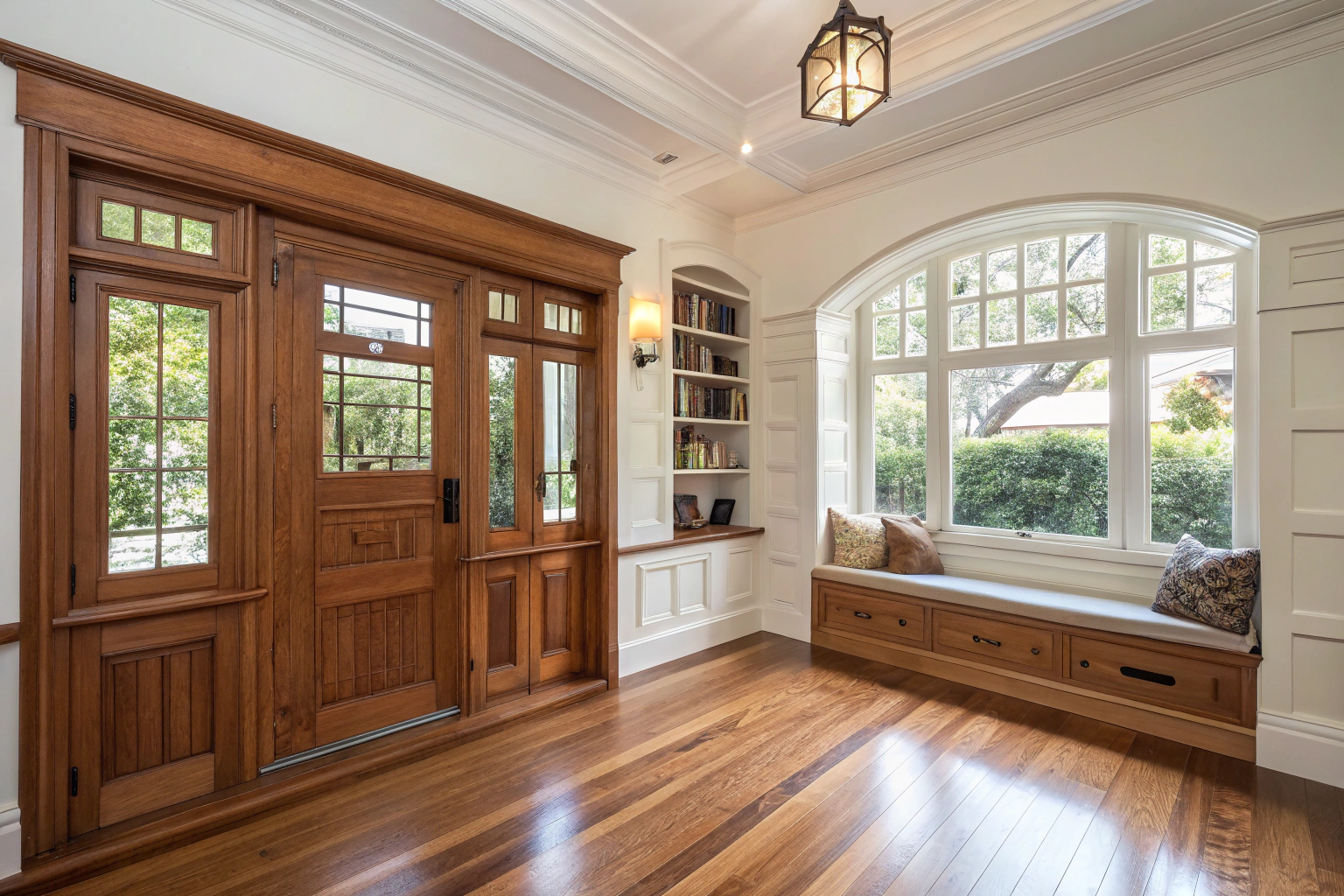
Timber joinery spans every custom timber element that forms part of a home’s fabric, not just the obvious pieces like doors. Interior doors sit at the centre of it, designed to fit non-standard openings and suit the home’s existing style. Door frames and architraves frame those doors and run through the rest of the home, carrying the same profile from room to room so the joinery reads as one consistent detail rather than a mismatched collection.
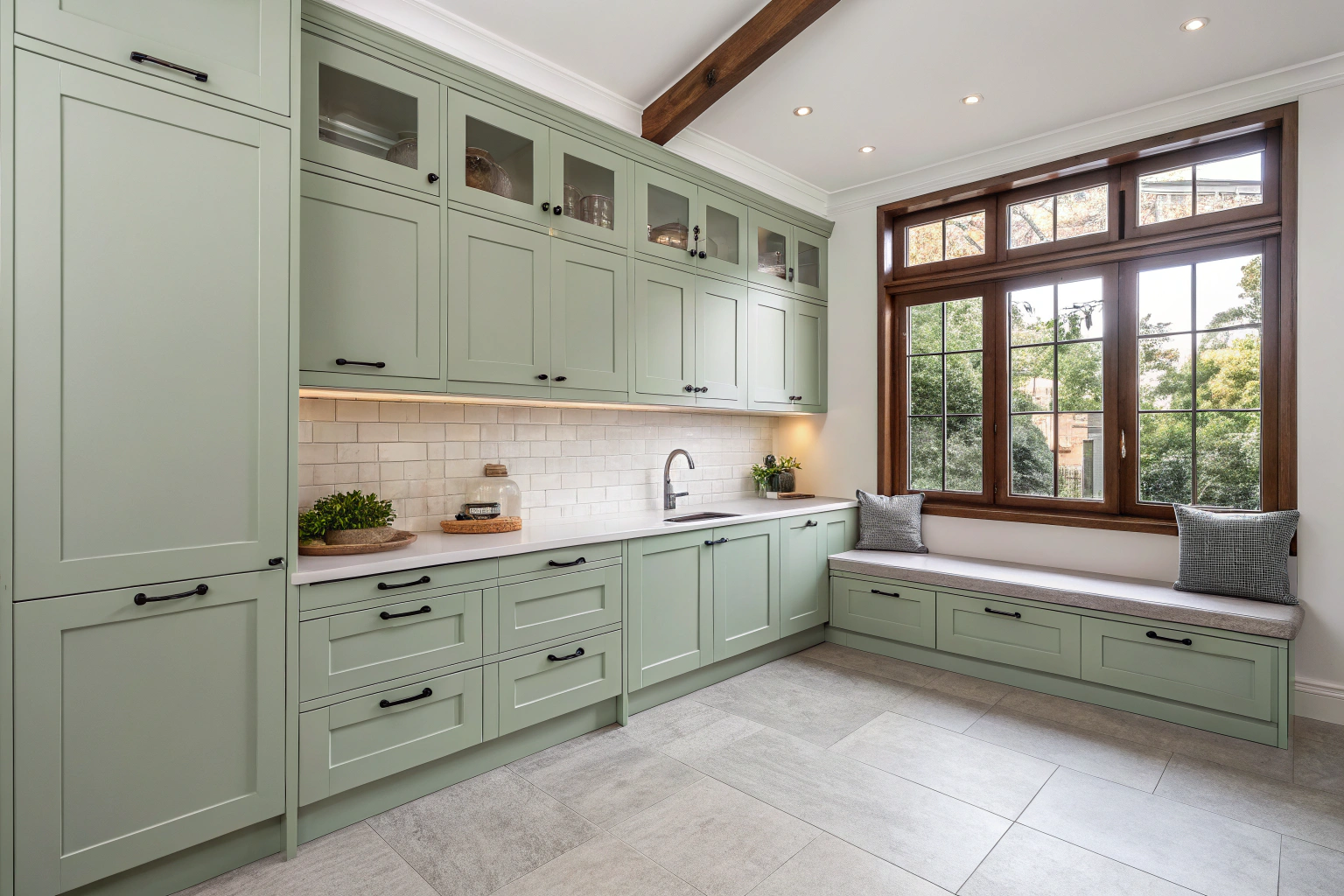
Skirtings finish the base of every wall, protecting the plaster while adding a clean line that ties the floor to the room. Window frames bring the same custom approach to natural light, built to suit the opening and the home’s period rather than a standard size off the shelf. Built-in furniture — bookshelves, window seats, and storage pieces — extends the joinery into functional pieces designed as part of the room’s architecture.
Decorative panelling rounds out the scope, adding texture and depth to walls and ceilings. Each element is considered and custom-made, reflecting the character of the home it belongs to.

Custom Interior Doors for Wollongong Homes
Custom interior doors are built to suit the opening, not the other way around. Older Wollongong homes rarely have standard door openings, particularly in Federation cottages and California bungalows, where doorways were sized to suit the build rather than a modern catalogue standard. A solid timber door designed and built to the actual opening avoids the gaps, trimming, and compromises that come with forcing a stock-sized door into a non-standard frame.
Period styles call for period-appropriate detailing — raised panels, particular proportions, and profiles that suit the home’s original character. Contemporary Wollongong homes call for something different again, with cleaner lines and simpler profiles that suit a more modern interior direction. Custom timber doors can be designed for either approach, or anywhere between the two, depending on what the home and the homeowner are after.
Every door is built from solid timber, selected to suit the application and finish, and designed to sit properly in its frame from the day it’s installed.
Architraves and Skirtings Milled to Match
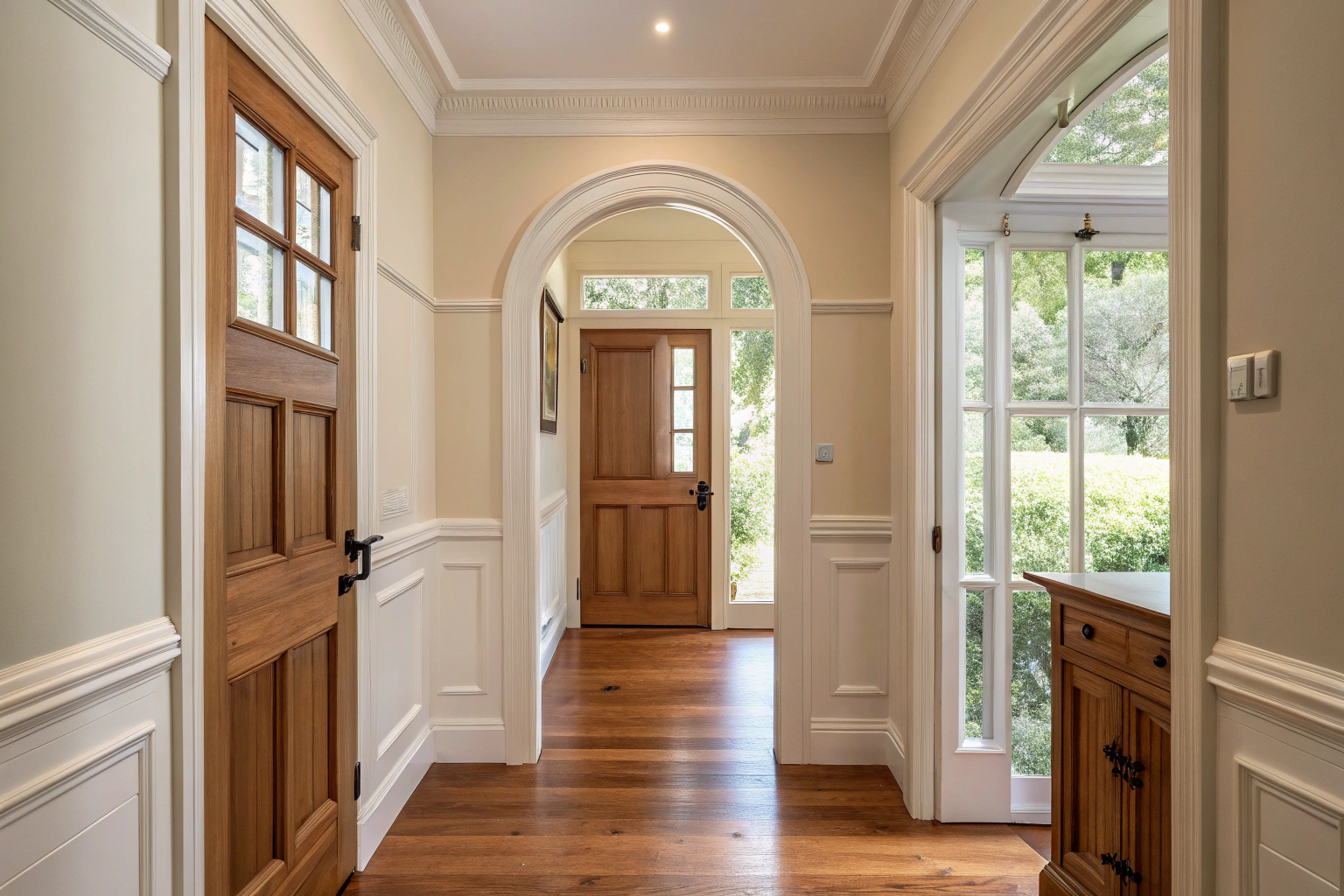
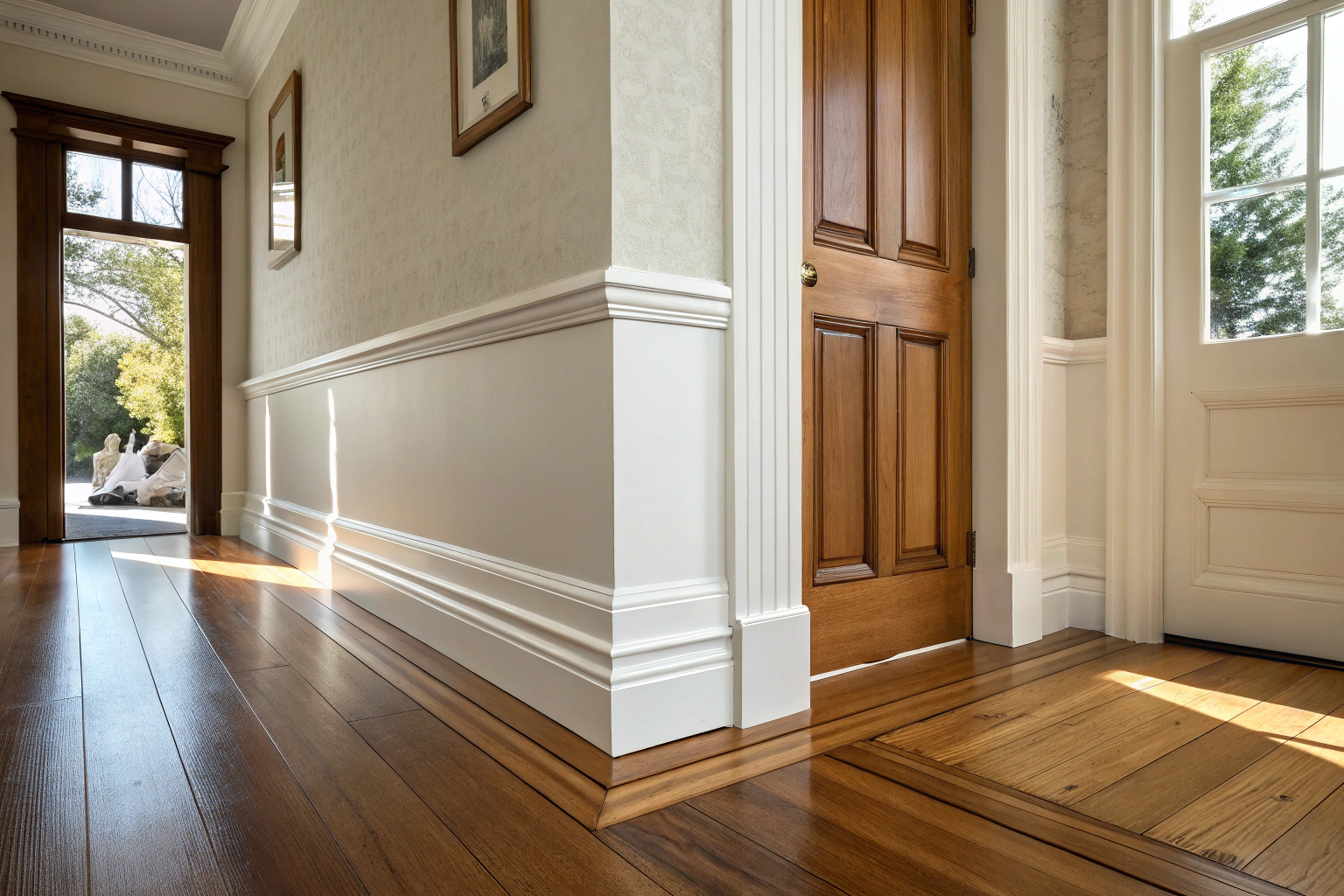
Architraves and skirtings carry the joinery detail through every room in the home, and getting the profile right matters more than most renovations account for. Replacing a single damaged architrave or extending skirting into a new room means matching what already exists, and older Wollongong homes often carry timber profiles that haven’t been mass-produced for decades. A mismatched profile stands out immediately, even to someone who couldn’t describe the difference in technical terms.
Custom milling solves that problem directly. Existing architraves and skirtings can be measured and matched, with new lengths milled to the same profile so the join is seamless and the room reads as one consistent detail rather than an obvious patch. For new builds and full renovations, architrave and skirting profiles can be designed from scratch, giving the home a distinctive detail rather than a standard off-the-shelf option.
Both approaches rely on the same custom joinery process — measuring, matching or designing, and milling to a standard that suits the home.
Hardwood Versus Softwood Timber Selection
Timber species selection depends on the application, the finish, and the budget, and getting this decision right early avoids problems further down the track. Hardwood species suit joinery that needs to handle moisture, wear, or structural demands, while softwood species suit painted applications where the timber’s natural grain isn’t the feature being shown off.
Species commonly used across our joinery work include:
- Victorian ash — a hardwood suited to doors, architraves, and furniture where a fine, even grain is wanted under a clear finish
- Blackbutt — a durable hardwood suited to high-wear applications and exposed locations
- Spotted gum — a hardwood with a distinctive grain pattern, often selected for feature pieces and built-in furniture
- Pine — a softwood suited to painted applications where cost efficiency matters more than the visible grain
Choosing between hardwood and softwood isn’t only about appearance. Hardwoods generally carry a higher cost but bring greater durability and a grain worth showing under a clear or oiled finish. Softwoods bring the budget down for painted joinery where the timber itself won’t be seen, without compromising the result once finished.
Custom Joinery for New Builds and Renovations
New builds and renovations call for a different approach to joinery than restoration work, since there’s no existing profile to match and the opportunity exists to design something specific to the project. Custom joinery at this stage covers interior doors, architraves, skirtings, window frames, and built-in furniture, all designed around the home’s interior direction rather than selected from a standard range.
Renovations bring their own consideration, where new joinery often needs to sit alongside existing sections of the home. In some cases, the brief calls for a seamless match to what’s already there, and in others, the renovation is the opportunity to introduce a new profile or detail that distinguishes the updated space from the original build. Both approaches are accommodated through the same custom design and milling process.
For new builds, architraves and skirtings can be designed from scratch, giving the home a distinctive detail from the outset rather than a standard, off-the-shelf profile shared with thousands of other builds.
Working With Architects and Designers
Architects and designers need a Wollongong joiner capable of executing to a detailed specification, not just producing standard joinery from a catalogue. Detailed drawings, specific profiles, and non-standard dimensions are common in architect-led projects, and the joinery work needs to match the specification precisely rather than approximating it.
We work alongside design professionals across Wollongong as a skilled trade partner, translating detailed specifications into finished timber work — whether that’s a custom door designed for a specific opening, an architrave profile drawn for a particular project, or built-in furniture designed as part of the room’s architecture. Material selection, finish requirements, and dimensional accuracy are worked through against the specification provided, rather than substituted with a close approximation.
This makes the joinery process straightforward for architects and designers managing a broader project, with the timber detailing executed to the standard the design calls for.
Frequently Asked Questions
Yes. Existing profiles are measured and matched, with new timber milled to the same profile so replacements or extensions blend in seamlessly rather than standing out as an obvious patch.
Yes. We work as a skilled trade partner for architects and designers, translating detailed specifications into finished joinery that matches the dimensions and profiles drawn for the project.
Pine suits painted applications well, since the timber’s grain isn’t the feature and a painted finish covers it entirely, keeping costs down without compromising the finished result.
Yes. Custom interior doors are built to suit the actual opening, avoiding the gaps and compromises that come with forcing a standard stock-sized door into a non-standard frame.
Staining adjusts the timber’s colour while showing the grain. Oiling brings out the natural grain with a more understated look, but needs periodic reapplication to stay protected.
Yes. Damaged architraves, skirtings, doors, and window frames can be matched and repaired rather than replaced outright, preserving the home’s original character and timber where possible.
Get a Free Measure and Quote
Custom timber joinery starts with understanding the project — the openings involved, the timber species and profile that suit the home, and what the work would actually involve before any commitment is made. A free measure and consultation covers all of this, giving a clear picture of the joinery required and how it would be approached.
Whether the project is a single custom door, a full set of matched architraves and skirtings, or built-in furniture designed for a specific room, the same process applies — measure, discuss, and design around what the home and the homeowner are after.
Book a free measure and quote for timber joinery across Wollongong and the Illawarra today.